


About Querciabella
Querciabella is a family-owned estate founded in 1974 by Sebastiano Castiglioni, located in the Greve in Chianti area of Tuscany, Italy. The winery is certified biodynamic and is known for producing Chianti Classico as well as super-Tuscan wines, including its flagship Camartina, a Cabernet Sauvignon and Sangiovese blend. Querciabella has been fully vegan in its practices since 2000, abstaining from the use of any animal-derived products in winemaking.
Prices are for take away and shipping. The wine bar serves from its own list.


The winery
About Querciabella
History
Querciabella means beautiful oak. In 1974 Giuseppe Castiglioni, called Pepito, an industrial entrepreneur and lifelong wine lover, bought a small estate at Ruffoli, above Greve in Chianti. He wanted to make wines of elegance and richness, drawing on Sangiovese and on the great wine regions of the world, and the estate soon became known as one of the more innovative producers in Italy.
After Giuseppe died in 2003, his son Sebastiano Cossia Castiglioni led the winery. He converted the estate to organic viticulture, making Querciabella one of the early Italian adopters, and later added biodynamic practices. In 2010 he took the step of making every part of the operation plant based, and the winery holds organic and vegan certifications. The 50th vintage was recently celebrated, and Mita Castiglioni, the eldest daughter of Pepito, now carries the family's role.
The land and the vineyards
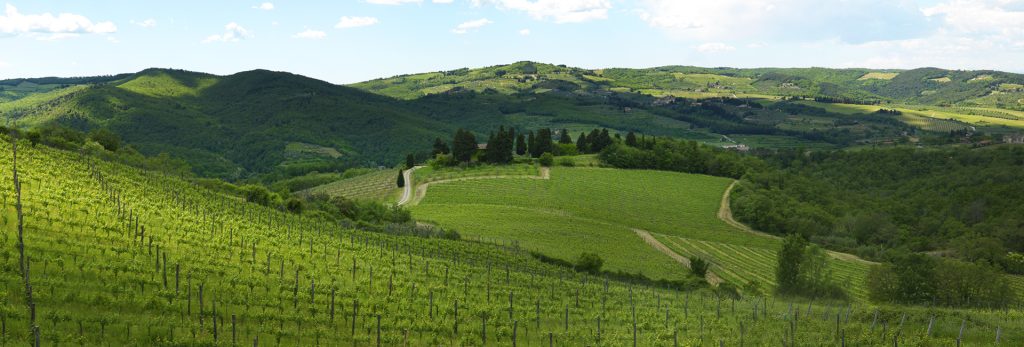
Querciabella farms over 50 hectares of Chianti Classico vineyards and 42 hectares in Maremma. The main site stays at Ruffoli, and vineyards were added over the years at Radda and, more recently, Lamole. In 1998 the family founded a second estate at Alberese, near Grosseto, on the Tuscan coast. The vineyards are treated as an ecosystem, with attention to soil life and wildlife. The winery says the core of its philosophy is balance: it sees the finest wines as the product of a close relationship between the vines and their surroundings, a network of biological diversity. Beyond its organic and vegan certifications it applies low impact practices to look after soil and land. It also puts weight on the health and resilience of the vines, so that the vineyards support many microorganisms and wild animals.
The wines
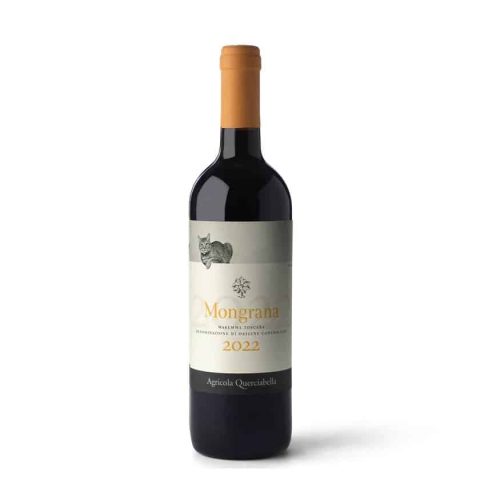
Chianti Classico, including Riserva and Gran Selezione, forms the base of the range. Batàr, Camartina, Palafreno, Turpino, Mongrana and Mongrana Bianco are named wines of the house.
Today
The company is registered in Milan as Società Agricola Querciabella and has a visiting section on its website. It states that it aims to produce wine with respect for the environment and to support the communities in which it operates.
- Founded
- 1974
- Vineyards
- Over 50 ha Chianti Classico, 42 ha Maremma
- Main grapes
- Sangiovese
- Owners
- Castiglioni family