


About Speri
The Speri family has farmed the Valpolicella Classica since the first half of the nineteenth century and is now in its seventh generation, still working only its own 60 hectares and only the native grapes of the valley. From the base in Pedemonte the family runs a closed cycle: every bottle comes from estate fruit, and since 2015 the entire production is certified organic. The house is a member of the Famiglie Storiche group, and its Amarone from the Monte Sant'Urbano hill in Fumane has long been a reference point for the classical, unforced style of the appellation.
Prices are for take away and shipping. The wine bar serves from its own list.



The winery
About Speri

History
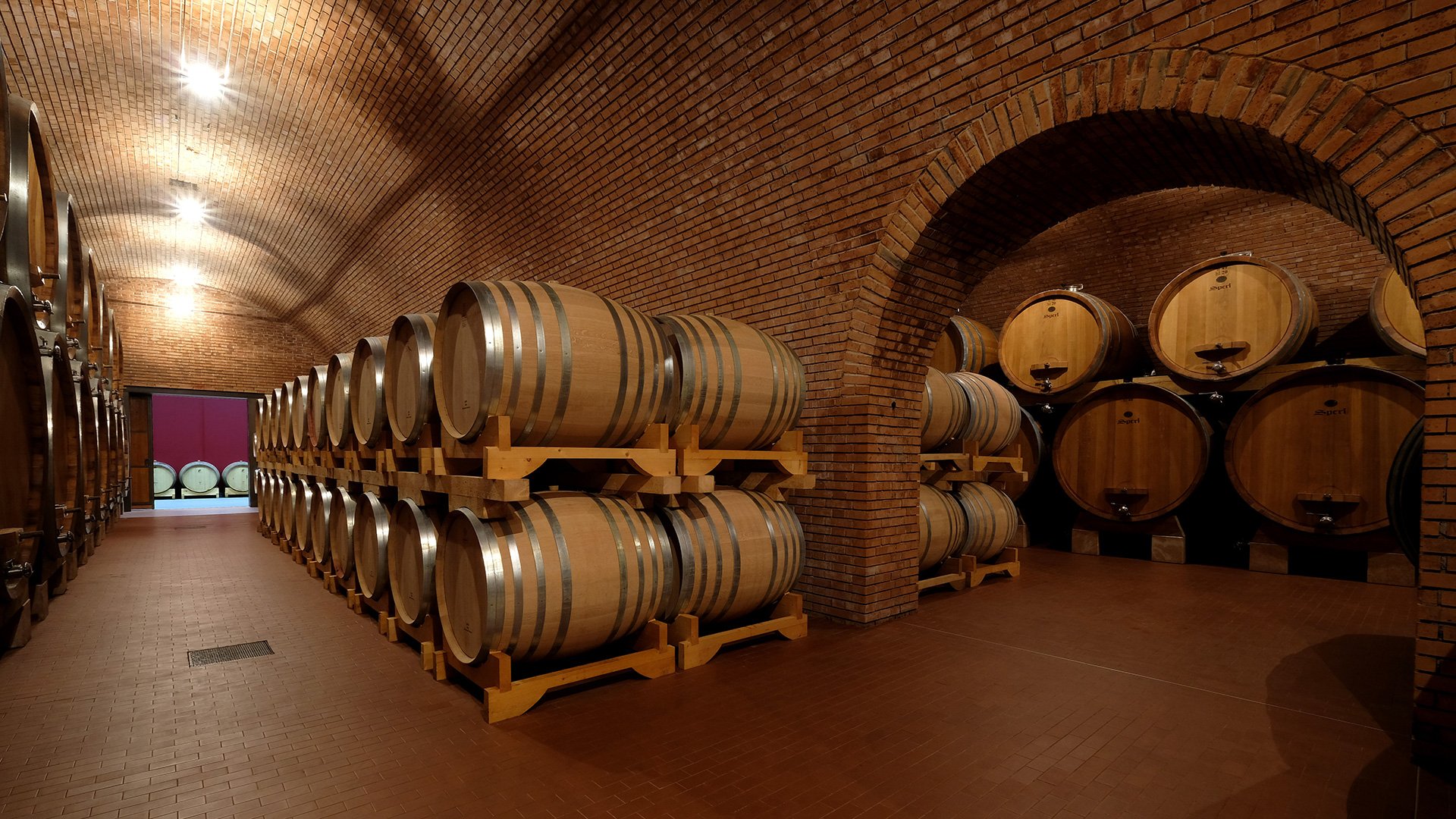
Speri is one of the old winemaking families of Valpolicella, now in its seventh generation. The winery's own timeline starts in the nineteenth century: a barrel dated 1874 still sits in the cellar, and from 1885 Carlo Speri bought vineyard plots in San Pietro in Cariano. His son Benedetto won a silver medal at an agricultural and industrial fair in Rome in 1908. In 1933 Benedetto's son Sante bought the Monte Sant'Urbano estate in Fumane, today counted among the leading crus of Valpolicella Classica.
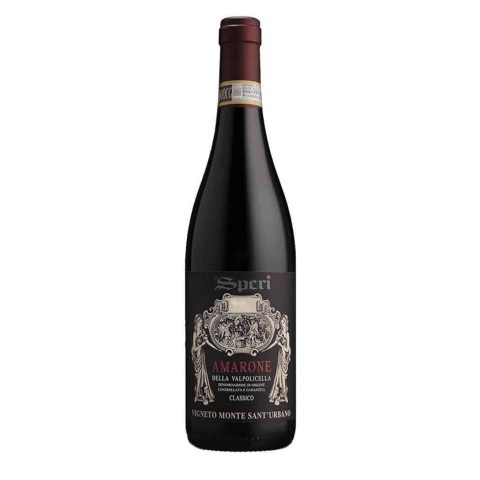
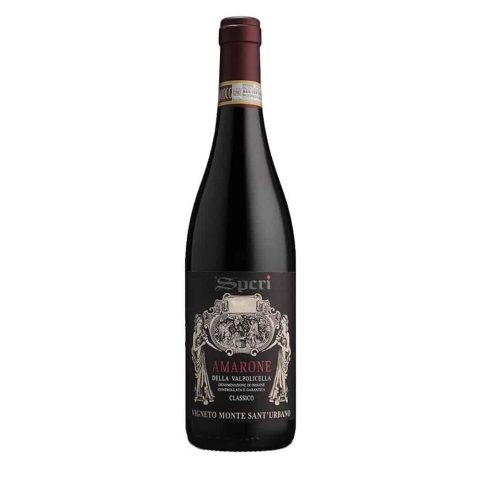
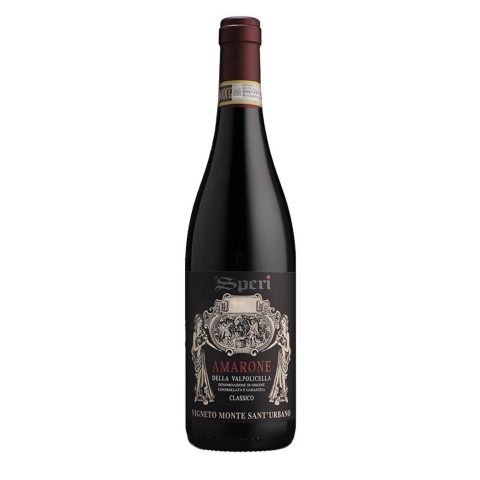
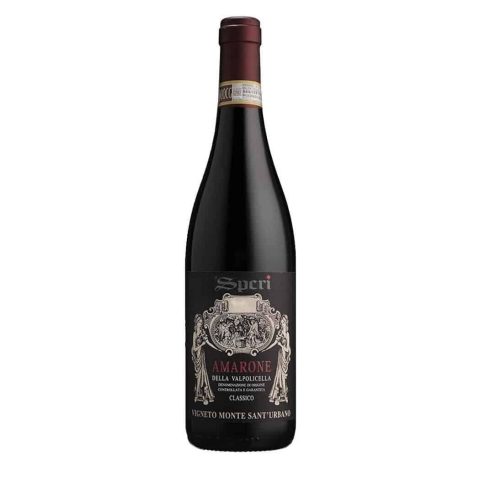
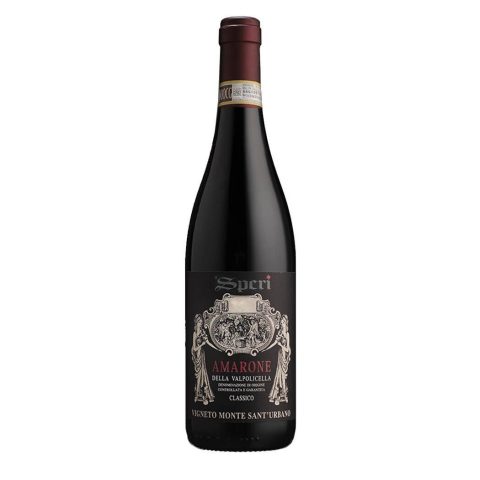
Sante's four sons carried the business on. The family says it was among the first to make Amarone, with a first vintage in 1958, and in 1962 the brothers built the current cellar, large for a time when Amarone was still little known. Exports to the United States began in 1971, and in 1974 came the first family cru, Amarone Classico Vigneto Monte Sant'Urbano. One brother, Carlo, chaired the Valpolicella wine consortium from 1984 to 1993.
The land and the vineyards
Speri owns about 60 hectares in the historic Valpolicella Classica area, at altitudes between 120 and 350 metres. All the wine is made from its own grapes. The named vineyards include Sant'Urbano, La Roggia, Lenguin, La Roverina and Brolo di Villa Giona. Many hillside plots are terraced with dry stone walls called marogne, which slow water runoff and give shelter to insects and other small life.
The family grows only native varieties: Corvina, Corvinone, Rondinella and Molinara, with small amounts of rarer ones such as Oseleta, Rossanella, Pelara and Cabrosina. In the 1990s the winery reworked the traditional Veronese pergola into an open inclined version, often called the Pergoletta Speri, which lets more sun and air reach the bunches and has since spread across Valpolicella.
The wines
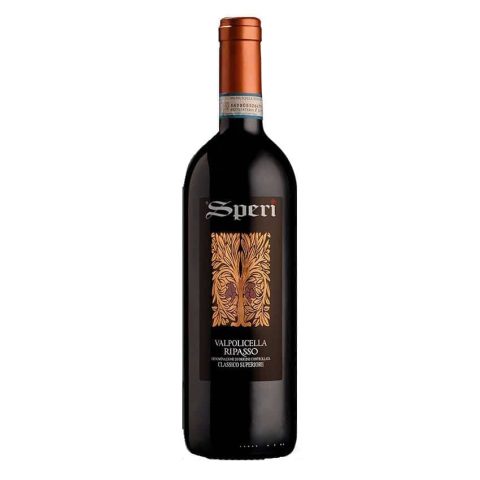
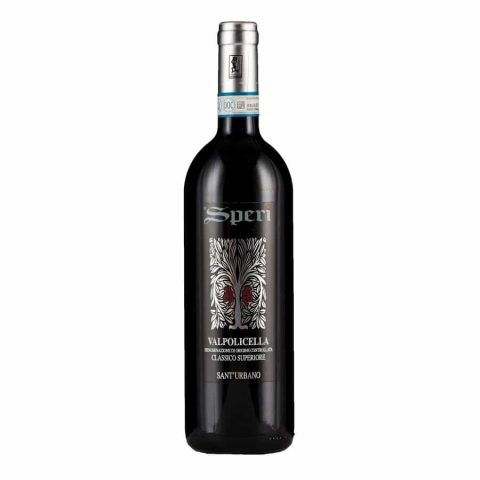
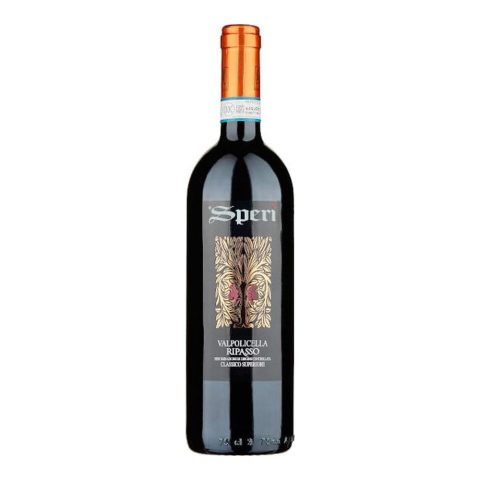
The range is five classic DOC and DOCG wines: Valpolicella Classico, Valpolicella Ripasso Classico Superiore, Valpolicella Classico Superiore Sant'Urbano, Amarone della Valpolicella Classico Sant'Urbano and Recioto della Valpolicella Classico La Roggia. Since the 1970s the family has bottled single vineyard wines, naming them after the plot they come from.
Today
Three generations of the family, eight people in all, run every step from vineyard to bottle. The farming went natural in 2004 and the whole production has been certified organic since the 2015 harvest. The winery also holds the Equalitas sustainability certification, awarded in 2021, and the Biodiversity Friend certification from 2022. Visits to the cellar are offered through the winery's website.
- Founded
- 1874 (earliest dated barrel; family wine since the 1800s)
- Area
- Valpolicella Classica, Veneto
- Vineyards (hectares)
- 60
- Main grapes
- Corvina, Corvinone, Rondinella, Molinara
- Owners
- Speri family