


About Marolo Distillerie
Marolo Distillerie is a grappa producer based in Alba, in the Piedmont region of northern Italy. Founded by Paolo Marolo in 1977, the distillery is known for producing artisanal grappa using traditional discontinuous pot stills, often working with pomace from prestigious Piedmontese grape varieties such as Barolo, Barbaresco, and Moscato. The distillery is recognized for its range of aged and single-variety grappas, as well as fruit-based spirits.
Prices are for take away and shipping. The wine bar serves from its own list.






The winery
About Marolo Distillerie

History
Marolo began in 1977, when Paolo Marolo and his brother set up a small still in the family house at Mussotto, a hamlet of Alba. They called it Distilleria Santa Teresa, after a fresco of the Spanish mystic Teresa of Avila. Paolo had trained at the Scuola Enologica in Alba, finishing in 1967, and from 1972 he taught a course on herbs and liqueurs there, based on the notes of the Alba pharmacist and painter Pinot Gallizio. That course turned him toward grappa, at the time a rough, cheap spirit that few people took seriously.
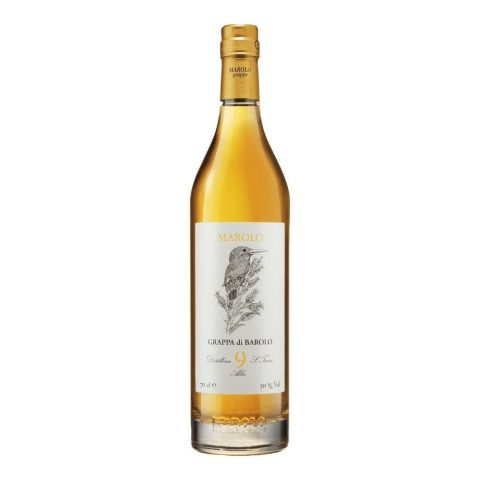
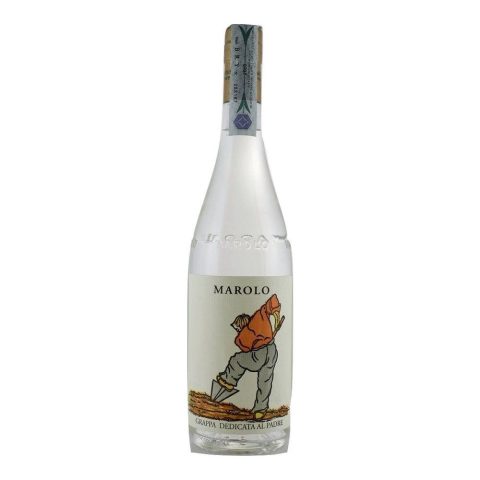
From the first day he went against the habits of the period: water bath stills instead of industrial equipment, grappa from one grape variety at a time, and ageing in wood. In 1978 the Dogliani artist Gianni Gallo drew the first labels, and his hand still marks the main bottles. In 1980 came a Grappa di Barolo whose label said it had been deliberately forgotten in small acacia casks.
The distillery and its grapes
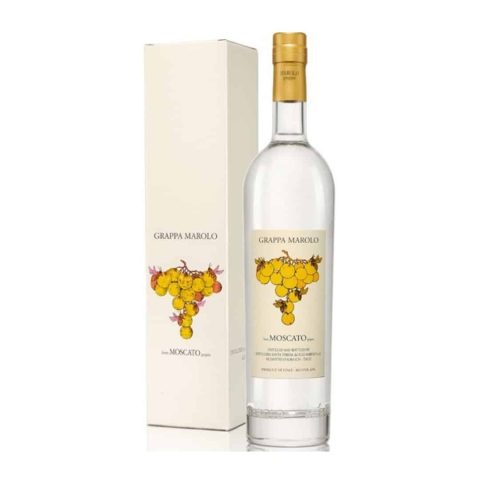
The distillery stands in Alba, the capital of the Langhe, among the vineyards of Barolo, Barbaresco, Barbera, Dolcetto, Roero Arneis and Moscato d'Asti. Marolo buys pomace from small growers it knows well and prefers single variety pomace from Barolo, Barbaresco, the Moscato d'Asti hills and Brunello di Montalcino. The skins arrive fresh and gently pressed and are never stored in silos: all distilling happens during harvest, in about ninety days from September to December.
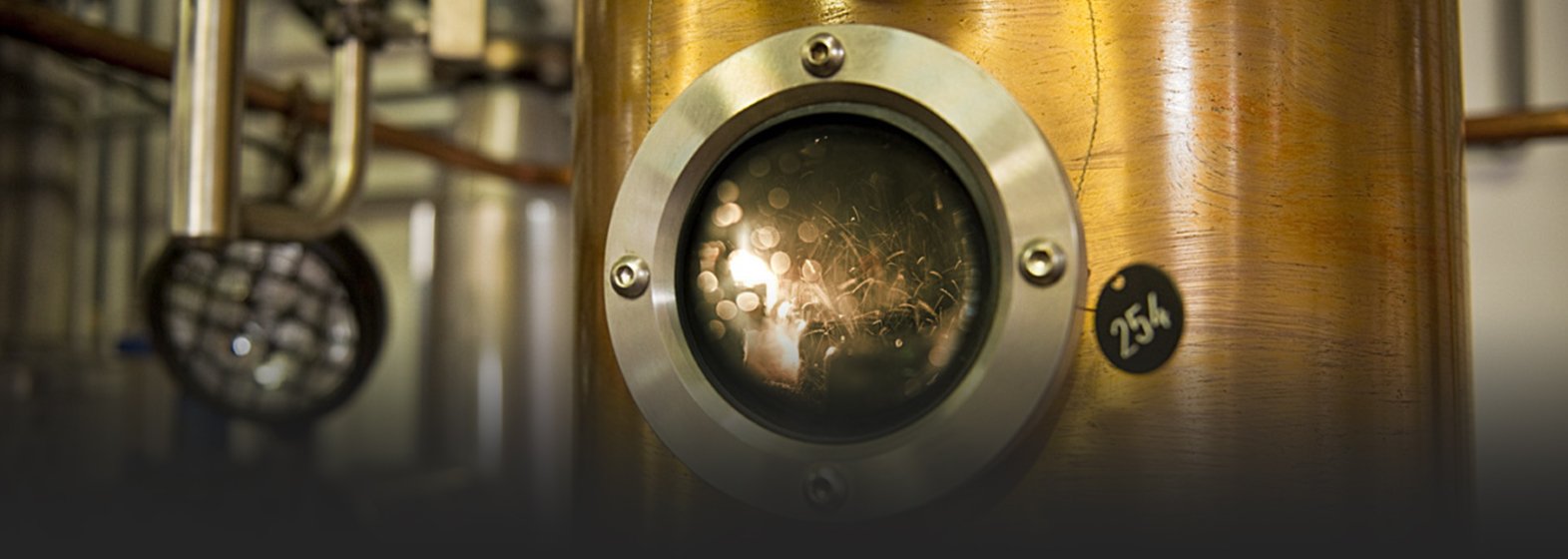
The stills work in batches and are heated by a water bath, one for white pomace and one for red. Steam warms a double walled boiler in which the skins sit under water, so they never touch direct heat. Each load takes about an hour and a half, a slow pace that keeps the aromas of the grape intact.
The grappas
Close ties with growers make it possible to bottle grappa from a single vineyard or a single plot inside a cru, such as Barolo Bussia, Barbaresco Rabajà, Barbera Monriondo and Pianpolvere, and Arneis Renesio. Ageing is planned grappa by grappa in old oak and acacia casks that give a gentle, measured contribution, because the spirit should taste of grappa and not of the barrel. The casks rest in warehouses at room temperature, where the seasons do the work. The range also includes Milla, a chamomile liqueur made with Nebbiolo grappa, launched in 2010, and Amaro Ulrich, an old Turin recipe brought back in 2015.
Today
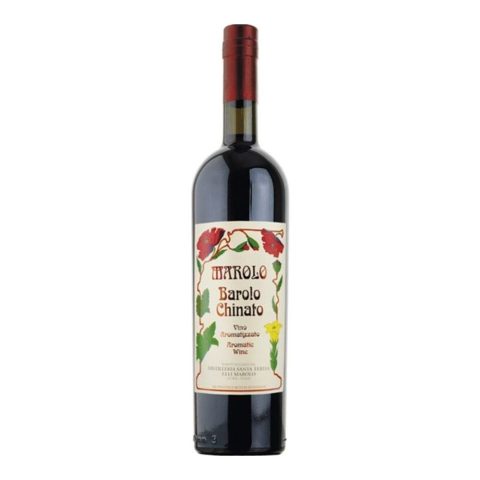
Paolo's son Lorenzo studied at the Scuola Enologica of Alba, took a management degree at Bocconi in Milan, and came into the family business in 2014. Paolo still spends long hours at the stills, guiding the distillation. In 2016 Grappa di Barolo gained its own geographical indication, a goal Marolo had long pressed for, and in 2017 the house presented a Grappa di Barolo aged in casks that had held Barolo Chinato. The ageing warehouse built in 2004 is where the family keeps testing new woods and new ageing routes.
- Founded
- 1977
- Area
- Alba, Langhe (Piedmont)
- Main grapes
- Nebbiolo (Barolo, Barbaresco), Moscato, Barbera, Arneis
- Owners (family)
- Marolo family
- Master distiller
- Paolo Marolo