


About Masi
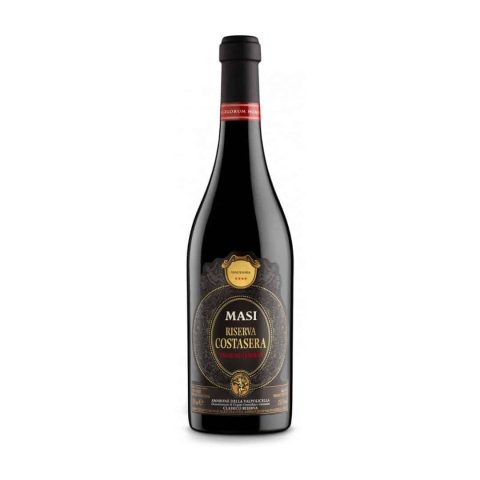
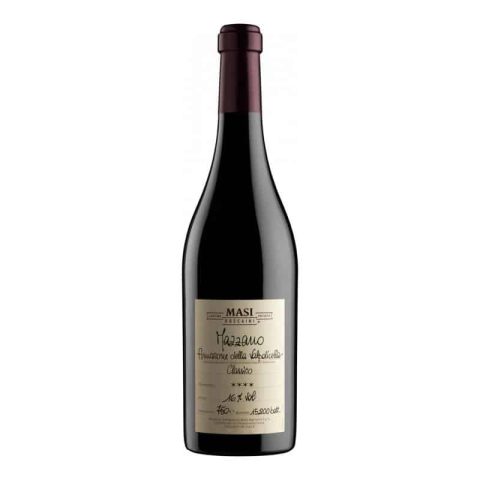
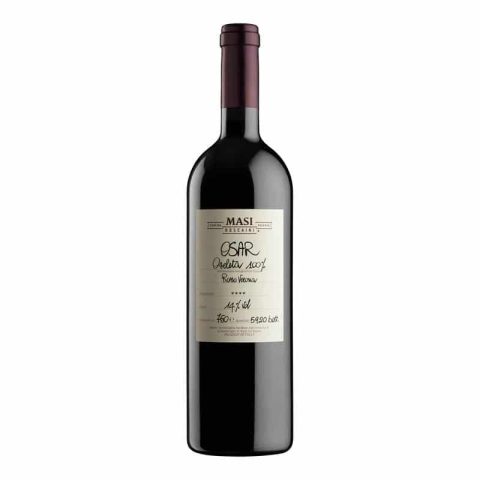
Masi takes its name from the Vaio dei Masi, the small valley in the Valpolicella Classica bought by the Boscaini family at the end of the eighteenth century, and it is still family run after seven generations. The house built its name on appassimento, the winter drying of grapes for Amarone and Recioto, which its technical group has studied and refined for decades, and on the recovery of old Veronese varieties such as Oseleta. Alongside the widely exported Costasera it bottles two historic cru Amarones, Campolongo di Torbe and Mazzano, and tends the vineyards of the Serego Alighieri estate, home of the descendants of the poet Dante.
Prices are for take away and shipping. The wine bar serves from its own list.





The winery
About Masi

History
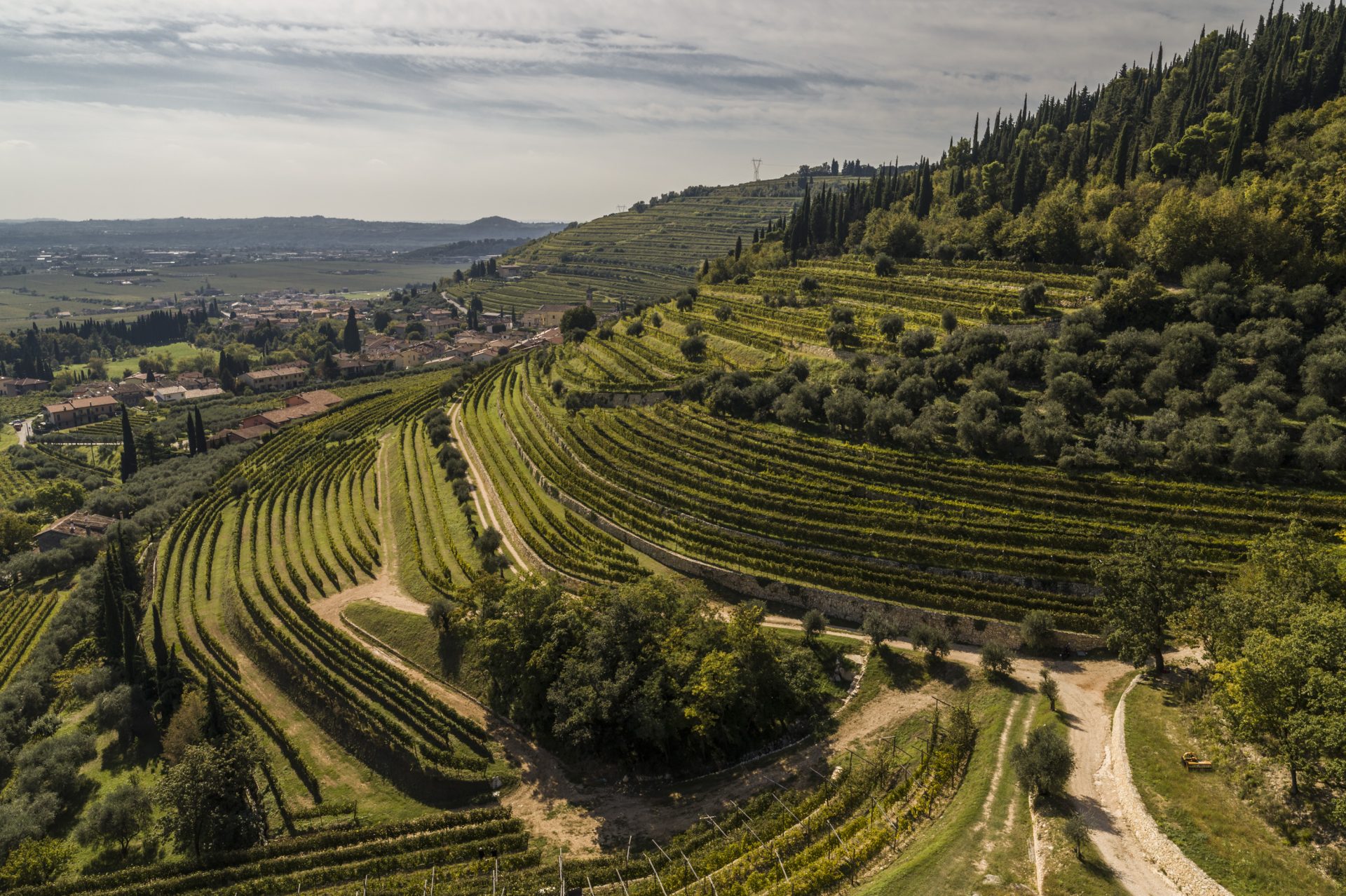
The Masi story begins in 1772, the year of the Boscaini family's first harvest in the Vaio dei Masi, a small valley in the heart of Valpolicella Classica. The family name and the name of that valley have stayed together ever since, as the first vineyard grew, step by step, through purchases in the best historic wine areas of the Veneto.
The Boscaini family has owned Masi from the start and today runs it with the sixth, seventh and eighth generations. Its president, Sandro Boscaini, is known in the trade as "Mister Amarone" for the part he played in making the wine famous around the world. In 1973 Masi began working with the Counts Serego Alighieri, descendants of Dante, whose estate is the oldest in Valpolicella.
The land and the vineyards
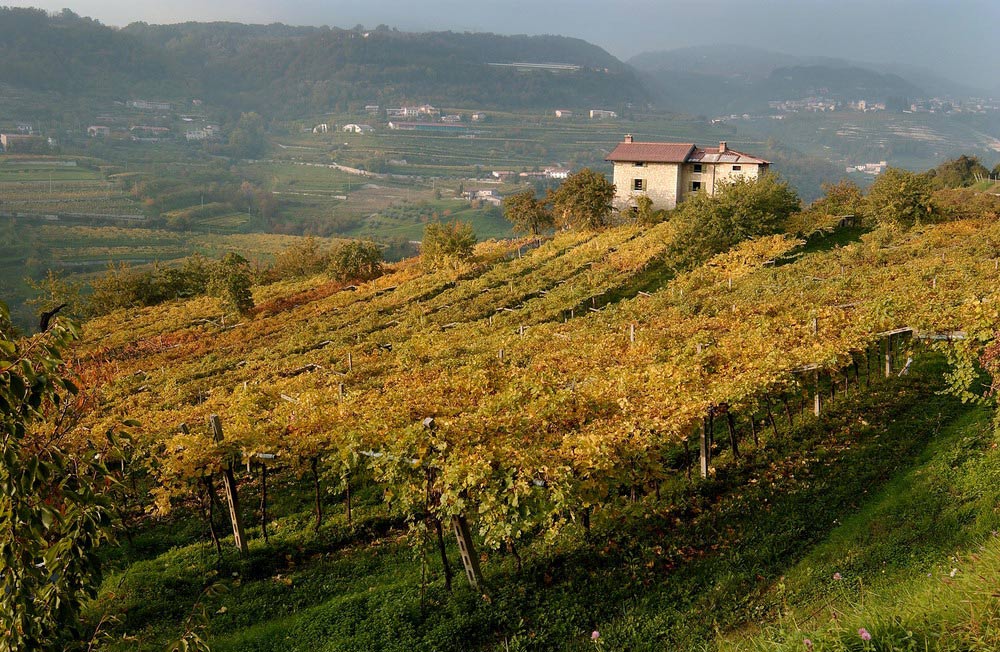
The Valpolicella Classica zone takes in Gargagnago in Sant'Ambrogio, San Pietro in Cariano and the valleys of Fumane, Marano and Negrar, with vineyards from about 100 metres to almost 1,000 metres above sea level. Masi works with the local grapes: Corvina, which brings body and cherry fruit, Rondinella for colour and structure, and Molinara for freshness and spice.
In the 1980s Masi brought back Oseleta, an old Veronese variety that growers had given up on, and its Technical Group has replanted and tested 48 native varieties. Outside Valpolicella the group also works in Trentino, Valdobbiadene, Friuli, Oltrepò Pavese, Tuscany and Mendoza in Argentina.
The wines
Appassimento, the drying of grapes after harvest, sits at the centre of everything Masi does. The best bunches rest on traditional bamboo racks called arele in airy lofts known as fruttai for at least 100 days through the winter. Each rack holds about 90 to 100 kilos of grapes, enough for 30 to 40 bottles of Amarone. Masi has thirteen of these drying rooms around Verona.
The house makes six different Amarones, among them Costasera, which many drinkers know as a reference for the style. Campofiorin, an original take on the appassimento technique, is another long standing favourite of the house.
Today
Masi sells its wines in almost 140 countries and was the first quality wine brand listed on the Italian stock exchange. In 2022, 250 years after that first harvest, it opened Monteleone21, its new headquarters in Sant'Ambrogio di Valpolicella, where visitors can taste the wines and learn about the area. In March 2024 the company confirmed its status as a Benefit Company, with goals linked to the people, land and culture of the Veneto.
- Founded
- 1772
- Area
- Valpolicella Classica, Veneto
- Main grapes
- Corvina, Rondinella, Molinara, Oseleta
- Owners
- Boscaini family