


About San Giovenale
San Giovenale is a small estate located in the Tuscia area of northern Lazio, near Blera, founded by Henrik Ottosson. The winery is known for producing Bordeaux-variety blends, particularly Cabernet Franc-based wines, grown on volcanic soils. It has gained recognition for bringing a serious, terroir-focused approach to red wine production in a region not traditionally associated with such varieties.
Prices are for take away and shipping. The wine bar serves from its own list.





The winery
About San Giovenale

History
San Giovenale takes its name from a ruined Etruscan town near Blera, in the Tuscia hills north of Rome. In 2006 the Roman entrepreneur Emanuele Pangrazi travelled through these hills and decided to stay, buying land at Blera. The estate sits about an hour from central Rome, next to the Marturanum nature reserve, and its own line says that this is where the roads end and San Giovenale begins.
The land and the vineyards
The vineyards lie at 300 to 400 metres on heavy, stony clay with a southern exposure, in a landscape the estate links to the Maremma, with breezes coming off the sea. The winery site gives the vineyard area as about 100 hectares, planted at 13,000 vines per hectare and trained as alberello, the free standing bush vine, which keeps yields very low.
The soils soon showed that Sangiovese was not the right grape here. Pangrazi chose varieties of the southern Rhône instead, Grenache, Syrah, Carignan and Tempranillo, working with the oenologist Marco Casolanetti. The estate is certified organic and speaks of garden vineyards, spring water and plant based products in the field.
The wines
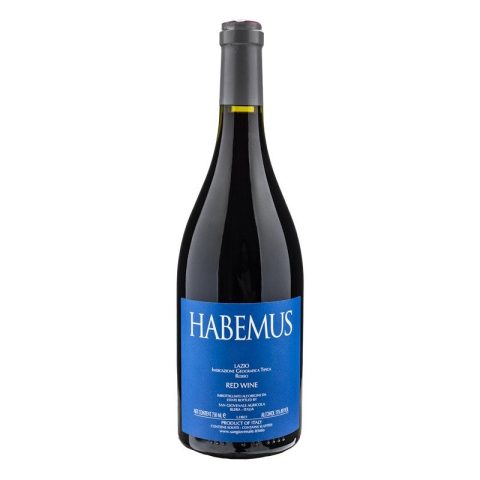
The best known wine is Habemus, a name that points to Viterbo, the capital of Tuscia, which was a papal residence in the 13th century. According to an Italian press article, the white label blends Grenache, Syrah, Carignan and Tempranillo, while the red label is a Cabernet Franc. A white, Etichetta Oro, was begun in 2013 with Marsanne and Roussanne, tested with the Lazio research body ARSIAL.
The cellar works with minimal intervention. The grapes are picked by hand and ferment at their own pace, and the wines age in first fill French oak barriques.
Today
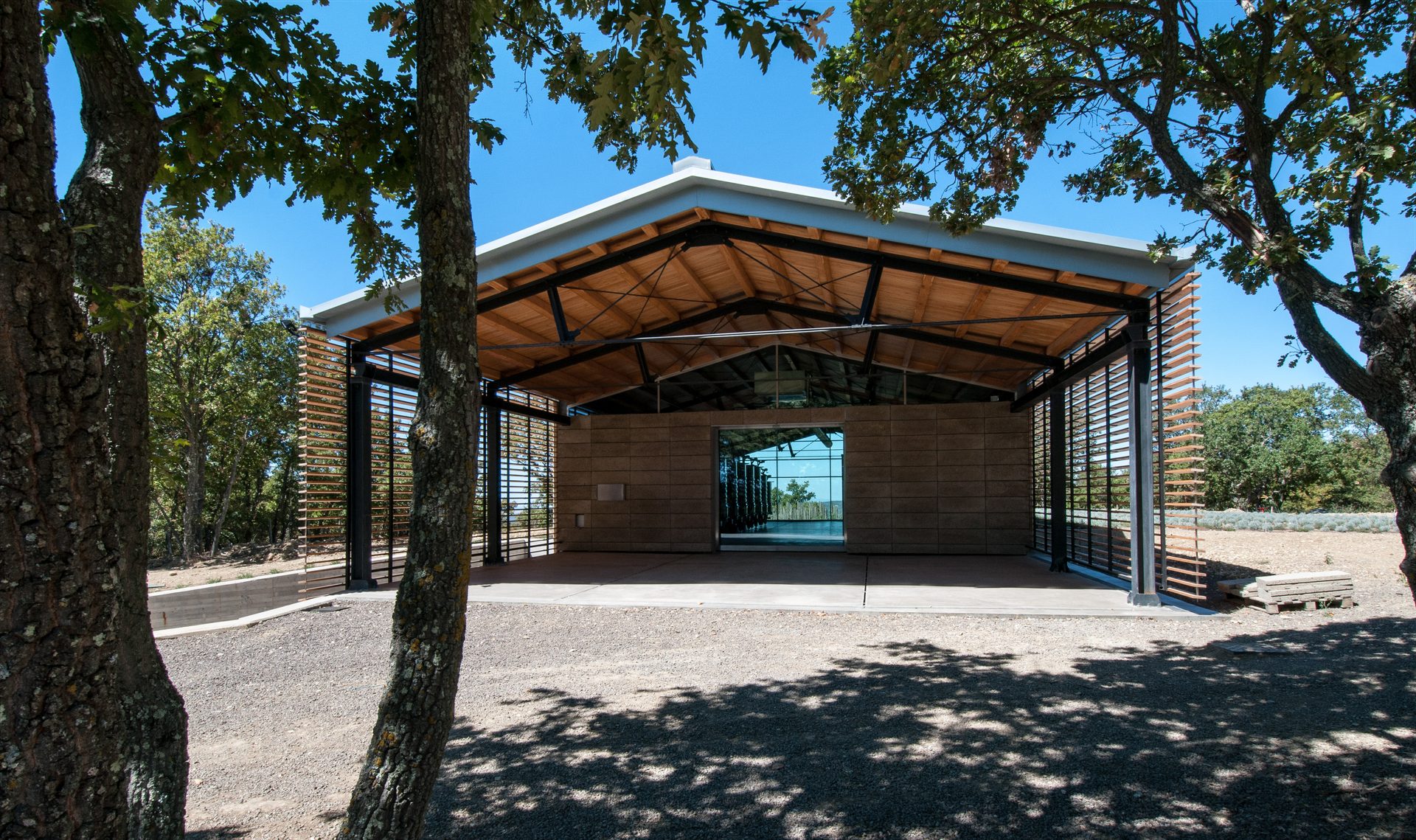
The winery building is an award winning piece of bioarchitecture, built around six sustainability principles and described as a visual telescope over the Mignone valley. It has won two international architecture awards and runs on geothermal heat and photovoltaics, with no fossil fuels. Lo Spazio Tempo is the winery's historic archive, and the site offers cellar tastings and a members' club called Club Habemus.
- Founded
- Land bought in 2006
- Vineyards (hectares)
- About 100 (per winery site)
- Main grapes
- Grenache, Syrah, Carignan, Tempranillo, Cabernet Franc
- Owners
- Emanuele Pangrazi
- Winemaker
- Marco Casolanetti (oenologist, collaborator)