


Wine from Lazio
Wine from Lazio
The Varieties of Wine from Lazio and Their Origins
Introduction
Without Lazio, would there be Italy? Specifically, of course, would there be an Italy as we know it were it not for Lazio’s and Italy’s capital, Rome, which became the first power to unite the peninsula over two millennia ago and indeed gave it its name. The surrounding region was crucial to the Romans’ self-image, the ideals of the gentleman-farmer, of self-sufficience, of the importance of bounty and abundance in the rural setting being so fundamental to the idea of Roman civic duty, the survival of the city and its empire, and of its thriving and its joy.
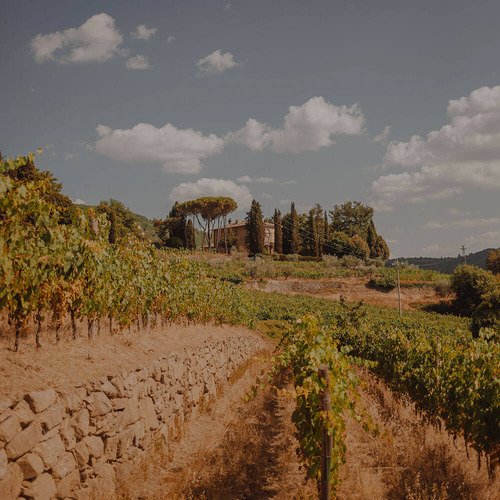
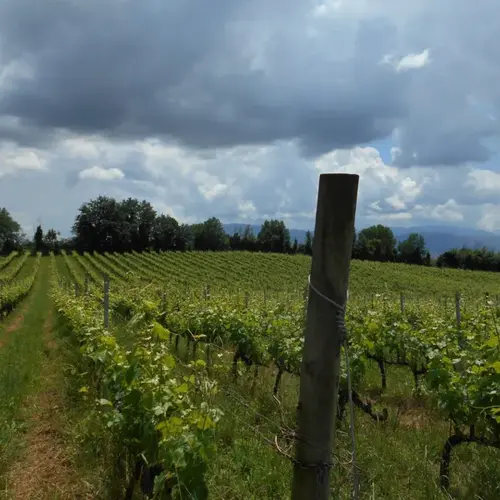
Lazio is a region of mostly gentle hills like its northern neighbour Tuscany, rather than than dramatic mountains like its eastern neighbour Abruzzo, although as you get to the foothills of the Apennines it starts to approach something higher (there are also some rather large plains and flats). One of the most important geographical facts is the river Tiber, which bisects Lazio from the north, famously passing through Rome and hitting the sea between the ports of Ostia and Fiumicino. As well as the above mentioned regions, Lazio borders Umbria and Le Marche to the north, Molise to the east, and Campania to the south.
The wine
It was likely the Etruscans rather than the Romans who really got viticulture going in the region, way back in the mists of time. The Romans themselves had a great range of wines available to them but prized, above all else, sweet white wines that could withstand oxidisation and ageing. Perhaps for that reason, to this day 80% of Lazio’s vine coverage produces white wine, rather than red.
Indeed, two of the three DOCG-designated wines in Lazio are whites, though of markedly difference characters, both around the village of Frascati in the shadow of Rome. First, the Frascati Superiore DOCG, the top level of white dry wine in the area. Made from at least 70% malvasia bianca di Candia, a grape whose relationship to the other malvasia varieties has been disputed but which now seems to be a cross of zibibbo and schiava, making noticeably fragrant, orange-blossom-tinged wines with a distinct purity of fruit (the remainder of the wine can be made of bombino bianco, greco, trebbiano or the slightly mysterious bellone bianco, and small amounts of other varieties).
The same grape (and grapes) in the same proportions make the second of Lazio’s top-rated denominations, the Cannelino di Frascati DOCG, but with very different results. These are gently sweet wines – not quite colossally sweet dessert wines, but noticeably sweet for sure, not just off-dry – and are so not via passito, as is common in Italy, but by partly making the wine from from grapes affected by botrytis. This fungus, sometimes known as ‘noble rot’, has the effect of drying out the grapes and concentrating the sweetness, as well as adding distinctive flavours of its own. Many of the world’s great dessert wines, like Sauternes and Tokaji, are made with botrytised grapes, but Cannelino is unusual in that most of these wines are of really significant sweetness, as opposed to the restrained, balanced approach of the laziale. It’s hard to think of much in the oenosphere that resembles it!
Frascati itself is one of the Castelli Romani, fourteen villages in the Colli Albani outside of Rome, a favourite summer haunt of the ancient great and good of the capital. Frascati is the most celebrated of them, the only one with its own DOC label. But they are all exceptionally popular in the Eternal City, producing dry, lightly fragrant, refreshing white wines under the Castelli Romani DOC appellation. They produce attractive, pleasant, unfussy reds too, largely from montepulciano and sangiovese.
The third DOCG is itself a red, and an unusual one at that, based largely on a grape Lazio can claim for its own. Cesanese del Piglio DOCG on the outskirts of the greater Rome area is made from at least 90% cesanese, a difficult, almost precious vine to cultivate, notorious for its almost ridiculously late ripening. With skilled cultivation (and enough sunshine!), however, the results can be extraordinary, Lazio’s answer to fine cabernet franc, medium bodied and perfumed, with a distinctive bell-pepper note thanks to the presence of pyrazine chemicals (especially prominent in the cabernet grapes). Cesanese del Piglio DOCG has remarkably low barrel-ageing requirements even at Riserva level, so as to preserve the trademark aromatics of the wine.
Cesanese is also present in some rarer and finer Castelli Romani Rosso wines, as well as in Piglio’s neighbouring Cesanese di Affile and Olevano Romano DOCs, themselves intriguing additions to Lazio’s red wine portfolio. Other such grapes include aleatico, especially in Viterbo province’s Aleatico di Gradoli DOC, made up from 95% at least of its eponymous grape. A big, soft, and undeniably grape-like red wine, aleatico is very notable for the local passito and fortified dessert wines, the latter of which is sold as Aleatico di Gradoli Liquoroso. Elsewhere, merlot and petit verdot have found particular success as varietal imports, the latter’s infamous late ripening benefitting from the local climate much as cesanese does.
But it would be severely remiss to discuss the wine of Lazio without two further white designations. First, Lazio shares a portion of the Orvieto DOC with neighbouring Umbria, making sought-after wines from the grechetto and trebbiano grapes. Secondly, perhaps the best name for any DOP wine anywhere on earth, the incredibly-titled Est! Est!! Est!!! di Montefiascone DOC, abutting Gradoli in Viterbo. The legend goes that, ahead of a visit to the Pope, a 12th-century German bishop sent a cleric ahead to scout the best wines available en route to Rome, and to write ‘est’ (‘here is’) on the doors of inns where he found them. So ecstatic was the cleric with the wine of a tavern in Montefiascone that he wrote ‘Est! Est!! Est!!!’ on the door, the growing number of exclamation marks really ramming the point home. Clearly, he was a fan of fresh, tangy, lightly-aromatic wines based on trebbiano and malvasia.
Lazio isn’t one of Italy’s largest wine producers, but it is one of its most instantly identifiable, a world of its own with traditions dating back milennia, and growing confidence and renown throughout the wine world.
Our wines from Lazio
A selection of the wines from Lazio we sell in our Venice wine shop and ship internationally.


The Breakdown
Lazio
Location: centre-west.
Climate: warm, Mediterranean.
Soils: ex-volcanic – plenty of mineral, igneous, calcareous.
Elevation: mostly moderate.
DOCGs and select DOCs: Cannellino di Frascati, Cesanese del Piglio, Frascati Superiore DOCGs; Aleatico di Gradoli, Castelli Romani, Cesanese di Affile, Olevano Romano, Colli Albani, Est! Est!! Est!!! di Montefiascone, Frascati, Nettuno, Orvieto, Roma, Tarquinia, Zagarolo DOCs.
Main red grapes: carmenère, cesanese, ciliegiolo, merlot, montepulciano, nero buono, petit verdot, sangiovese.
Main white grapes: bellone, bombino bianco, grechetto, greco bianco, malvasia, malvasia bianca di Candia, trebbiano.
Hidden gem: Cannellino di Frascati DOCG really is in a category of its own!
About Wine Shop all’Amarone


Wine Shop all’Amarone in Venice offers an exceptional selection of Italian wines, spotlighting the distinguished Amarone della Valpolicella. In addition to our Amarone focus, we proudly feature select wines from Sicily, showcasing the diversity and richness of Italy’s winemaking regions. Our curated collection is designed to offer wine lovers a taste of Italy’s finest, from the robust flavors of Amarone to the unique profiles of Calabrian wines.

