


Wine from Emilia-Romagna
Wine from Emilia-Romagna
Emilia-Romagna wines: from sparkling reds to historic sweet whites
Introduction
Read any gastronomical survey of Italy and they will likely agree: in many ways, Emilia-Romagna is the epicentre of Italian food culture, the beating heart of Italian cuisine. So many of the country’s iconic foods have their home in the region, from Parmiggiano Reggiano cheese to Parma ham, from the balsamic vinegar of Modena to the tortellini in brodo, not to mention the fresh pasta with the ragù alla bolognese, perhaps the most famous pasta sauce in the world, named for its capital city of Bologna. However, strangely, whenever articles or blogs of this kind give the run-down of Emilia-Romagna’s comestible delights, somehow the oenological side doesn’t get much of a mention. And that’s a shame! Because although the region might not boast the superstar names in wine that it does on the food side it’s not for lack of quality, with both traditional and very modern styles of wine giving this ancient, most arable of lands a rapidly growing reputation.
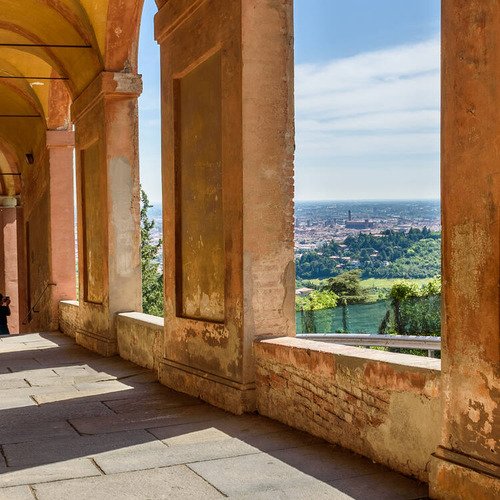
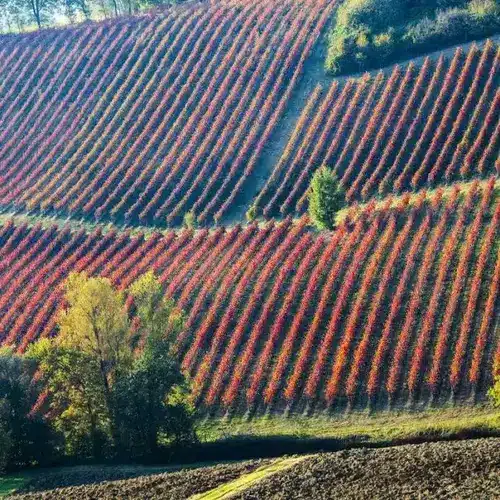
Emilia (named for the ancient Roman Via Aemilia) and Romagna (whose name interestingly dates from the Eastern Roman Empire’s claiming of the lands from the days of Justinian) traditionally have slightly fuzzy borders, with various shifts over the years including recently, with some comuni reassigned from the neighbouring Marche region for language reasons. Broadly speaking Emilia is the northern bit (containing cities like Modena, Parma and Ferrara) while Romagna is the southeastern section (historically based around the city of Ravenna). The region as a whole stretches nearly all the way across the country from coast to coast, blocked from doing so only by the border with Liguria (it also borders Tuscany, Le Marche, Veneto, Lombardy and a tiny bit of Piedmont). It is defined by its rivers and plains to the north like the Po and the Reno, which both flow into the Adriatic Sea out of the region, and by the great Apennine massifs that run southeasterly roughly along the regional borders. In the past, some have considered its plains too flat, too wet for viticulture, but that’s to ignore the huge microclimatic diversity that careful growing and judicious winemaking can help make fabulous, exciting wine to pair with the region’s famous culinary offerings.
The wine
When people think of wine from Emilia-Romagna normally their minds go first to one name: Lambrusco, of all the sparkling reds in Italy (and there are actually many!) by far the most famous, indeed the most famous on earth. But Lambrusco isn’t a region; it isn’t even strictly speaking a grape. It is rather the name given to a group of grapes grown in four zones in Emilia-Romagna and one in Lombardy that abide by DOC rules in order to carry the name on the label. There are really rather a lot of these varieties – at last count more than 50 – not to mention clones and subclones and all the rest. Fortunately for our collective sanity only six produce the vast majority of wine labelled Lambrusco – the lambruschi grasparossa, maestri, marani, montericco, salamino and sorbara, of which lambrusco salamino is the most planted. The sweeter, lighter style is the best-known internationally, but in reality Lambrusco comes in a complete range from gentle and a bit sugary (known as amabile) to bone-dry (secco) and often full and rich, not to mention both megafizzy spumante and the lightly-fizzy frizzante.
There are four zones (divided into seven separate labels) in the region: Lambrusco Grasparossa di Castelvetro, the first of three zones in the province of Modena, made 85% from the grasparossa variety (which is widely regarded as the most structured), the smallest-production region; Lambrusco Reggiano, which by contrast is the biggest, is the most important wine made in the province of Reggio Emilia, utilising the maestri, marani, montericco and especially salamino varieties to at least 85% – with up to 15% permitted from the indigenous ancellotta grape – in the full range of styles; back in Modena province and the first of two near the village of Sorbara, the label of Lambrusco Salamino di Santa Croce is perhaps the lightest of the major Lambrusco areas (the equivalent of Beaujolais’ Fleurie, if you like), making mainly frizzante wines from at least 90% salamino; and finally Lambrusco di Sorbara itself, often considered the most prestigious of the Lambrusco areas, renowned for its aromatic and ethereal, complex aromas thanks in no small part to the heavy use of the eponymous sorbara grape, which must make up at least 60% of the final wine, with only salamino permitted to make up the remaining max-40%.
Lambrusco got a bit of a reputation overseas as something of a bulk-wine, cheap and cheerful and not especially interesting, but in the last decade or so has shown this perception to be utterly untrue, that Lambrusco is one of the most fascinating and rewarding labels around.
But it’s far from the only noteworthy wine of Emilia-Romagna – indeed, it’s not the only bubbly. Pignoletto is a grape and a label carried by wine from three subzones: Reno DOC near Modena, Colli d’Imola DOC between Imola and Ravenna, and Colli Bolognesi DOC in (unsurprisingly) the hills around Bologna, which is where you’ll also find the Pignoletto Classico DOCG area. Light, elegant, and slightly frizzante, these offerings are renowned for their subtle stone-fruit notes and slight nuttiness.
The other DOCG in the region was, interestingly, the first ever designated in Italy – Albana DOCG, whites made in the provinces of Bologna, Forli-Cesena and Ravenna from 100% the indigenous albana grape. Albana can be vinified one of four ways: secco (dry), amabile (off-dry), dolce (medium-sweet) and passito (dessert), but it is the latter that has achieved particular acclaim, a marvellous, deep-gold straw wine (that is, from grapes that have been dried).
But there’s so much more to come from this region! With its trendy, student-heavy population the towns are full of demand for interesting local wines, especially those made from innovative styles like minimum intervention or skin-contact whites. Every town and river has a DOC or an IGT around it, but it’s worth looking out especially for wines made from trebbiano (on the white side) and sangiovese (on the red), which in recent years have made massive strides.
So next time you sit down to a bowl of tagliatelle fresche al ragu or 48-month aged Parmiggiano with a dash of ancient, viscous Balsamico, consider pairing it with something local, because it’s highly likely to be worth discovering.
Our wines from Emilia-Romagna
A selection of the wines from Emilia-Romagna we sell in our Venice wine shop and ship internationally.


Emilia-Romagna – The breakdown
Location: North-central, east coast
Climate: mild continental
Soils: alluvial and pebbly along the rivers; loose and sandy in the hills with some clay and terra rossa.
Elevation: low-to-medium
DOCGs and some DOCs: Albana DOCG, Pignoletto Classico DOCG, Lambrusco Grasparossa di Castelvetro DOC, Lambrusco Reggiano DOC, Lambrusco Salamino di Santa Croce DOC, Lambrusco di Sorbara DOC, Reno DOC, Colli Bolognesi DOC, Colli d’Imola DOC.
Main red grapes: ancellotta, ciliegiolo, croatina, lambrusco (grasparossa, maestri, marani, montericco, salamino and sorbara), merlot, sangiovese.
Main white grapes: albana, chardonnay, malvasia, pignoletto, trebbiano.
Hidden gem: if you haven’t yet, it’s 100% time to give Lambrusco a second try.
About Wine Shop all’Amarone


Wine Shop all’Amarone in Venice offers an exceptional selection of Italian wines, spotlighting the distinguished Amarone della Valpolicella. In addition to our Amarone focus, we proudly feature select wines from Lombardy, showcasing the diversity and richness of Italy’s winemaking regions. Our curated collection is designed to offer wine lovers a taste of Italy’s finest, from the robust flavors of Amarone to the unique profiles of Lombardy wines.

