


Wine from Calabria
Wine from Calabria
The Varieties of Calabrian Wine and Their Origins
Introduction
The mysterious land of Calabria, several regions in one, from the dreamy beaches to the high plateaus, ancient and modern, home to falcons, deer and even wolves, where Italian is one of not two but many traditional languages as different as Greek and Albanian. It is famous for its heat-driven food with its chilli peppers, as well as its unique, ancient culture of music and dance.
The region is the toe of the Italian boot, sharing a land border with Basilicata alone and the rest girt by the Ionian and Tyrrhenian Seas. It is both coastal and mountainous, stretching up from some of the most famous coastlines in Italy to some of its most dramatic upland topography, for example La Sila. It is home to four natural parks, and is renowned around the country as a wild region – but obviously, as in the rest of the country, there is a lot of agriculture of the highest quality.
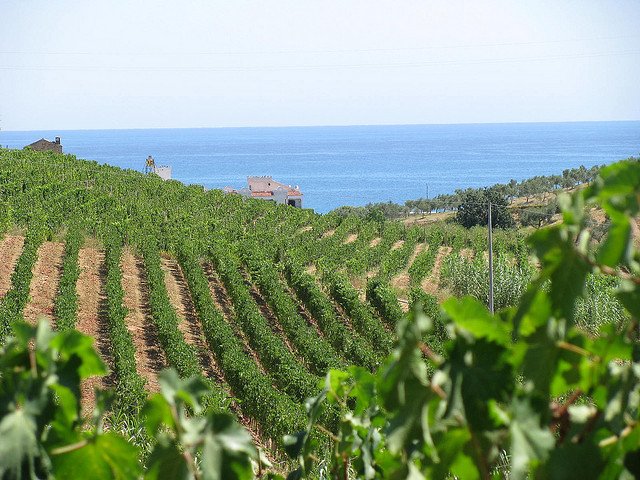
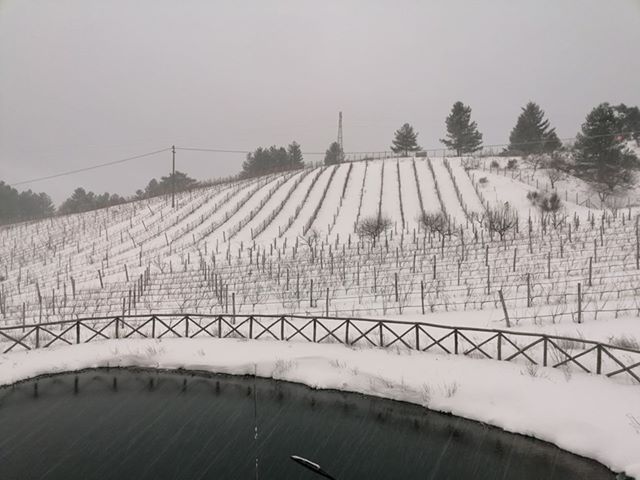
The wine
The first inhabitants of Calabria were known to the Greeks as the ‘Oenotrians’ after their name for the place, ‘Oenotria’, which means something like ‘land of vines’. In much of the last century it has been (somewhat unfairly) characterised as something of a grape-producing factory, fermenting undistinguished wines to high alcohol percentages and selling it north to beef up some thinner Hyperborean blends. Even if that was ever true, there is no doubt that times have very much changed.
The best way to approach the wines of Calabria is via its grape varieties, and there’s none more important than Gaglioppo. More than 90% of the wine made in the region is red, and about half of it is made, in some way or another, from gaglioppo, a vine that in regions such as Abruzzo often doesn’t show its best but which, in the dry conditions of Calabria, absolutely thrives. It’s a grape with relatively thin skins but which also ripens quite fully, making for an intriguing mix of light and bursting fruit with sometimes surprisingly high tannins. It can make wines from the lightest and zippiest of reds you can put in the fridge, to deeper, darker, denser expressions, often in blends.
The most famous and celebrated of the gaglioppo-based wines is surely the Cirò DOC, in the provinces of Cosenza and Crotone. It stretches down from the slopes at the base of La Sila, a mighty mountainous plateau, down to encompass the whole comuni of Crucoli and Melissa (which, confusingly, produces its own gaglioppo-based DOC wine under slightly different rules). Cirò Classico, the heart of the historic wine zone, is a name only allowed for wines from the comuni of the town of Cirò and its port Cirò Marina. For anywhere in the zone, the wine must be at least 80% gaglioppo, and must have a minimum of 12.5% alcohol, a hurdle usually cleared with relative ease (for Cirò Superiore the hurdle is 13.5%). The wine is often rather full, quite noticeably red-fruit oriented with the capacity for a decade or so of ageing (this is especially true of Riserva wines, which must undergo two years of ageing to obtain the label). Part of the secret to this DOC is the way the sea breezes helps cool the vines especially at night, helping maintain acidity.
In addition to Melissa, gaglioppo is also primarily responsible for S. Anna di Isola Capo Rizzuto DOC on the ‘instep’ coast (where it accounts for 40-60% of a blend), and the Bivongi DOC in Reggio Calabria province, as well as being co-responsible for Savuto DOC off the coast of Catanzaro (where it more or less makes up the same amount of the blend as aglianico). It contributes to other blends across the whole region, especially in the province-wide DOC Terre di Cosenza.
The second-most important native grape of the region is the sinuously named Magliocco. It is similar in some ways to gaglioppo – they even look similar, with their round purple berries and ridged, cup-shaped leaves (though closer inspection reveals a darker colour in the leaves of magliocco, and slightly less ridging in the leaves too). It is slightly less happy in the dry than gaglioppo, but is still essentially in its element in the climate of Calabria without the presence of excessive moisture.
Magliocco is most important in the Terre di Cosenza Rosso DOC, in which it must make up at least 60% of the wine (the rest can be gaglioppo, the Sicilian variety nero d’Avola, or the enigmatic greco nero), and indeed, with the growth in popularity of single-variety expressions, that percentage has in recent years become noticeably higher. As in the vineyard, it bears similarity organoleptically with gaglioppo, but that extra depth of colour does indicate the difference, as magliocco does produce somewhat smoother, more rounded wines, akin to a merlot perhaps. This DOC is also notable for its increasingly admired passito sweet wine.
Magliocco is also important in the Scavigna DOC, inland from the Catanzaro coast. However, Aglianico is the main star here, although even then is only permitted to make up 60% as the fundamental character of this label is its unusual blend, with the ultra-rare marcigliana nera also making a substantial contribution. The wine is notable for its freshness and medium-body, an unusual blend making a harmonious whole reminiscent of Chianti.
The final red varieties worth taking particular note of are not natives of Calabria but of its neighbour across the Strait of Messina. Nerello Mascalese and Nerello Capuccio may originally be from the slopes of Mount Etna, but they also form the basis for the wine of the Lamezia DOC, just below Savuto and Scavigna on that bunched-in Catanzaro coast. The soil mix here combines clay, that retains water, with sand, that drains it, an excellent combination for a coastal area with sometimes unpredictable rains, while that sea breeze again moderates the persistent heat of the Mezzogiorno. When meant to be drunk young the wines have a springy, refreshing tang of sour cherries about them with no little mineral slap; when aged, especially under Riserva requirements, a greater depth of fruit and tannic structure allows for wines of greater weight, and a more mature fruit palate.
Despite the dominance of reds, a number of whites are also made all over Calabria. The Greco variety is the most important, being responsible for almost all the DOCs’ production of pale stuff, including the much renowned Cirò Bianco. Only in Savuto and Scavigna is the trend bucked, with the former favouring a complex blend heavily involving the mantonico variety, and the later opting for a highly unusual blend based on, of all things, gewurztraminer (known here as traminer aromatico).
Greco is also the sole permitted variety in Calabria’s last DOC, the Greco di Bianco in the south of Reggio Calabria province. Greco di Bianco DOC is a dessert one made by the appassimento method, whose alcohol can reach really stratospheric levels, up to 17%! It’s nevertheless a haunting wine, dense, fresh, perfumed, capable of decades of ageing. It is one of Italy’s rarest and most sought-after dessert wines, a true treasure.
And so is Calabria itself, a treasure richly meriting the increased attention and acclaim it’s begun to receive over the last decade or so. Far from the rustic producers they were imagined to be, Calabrese winemakers’ skill in showcasing their panoply of unusual autochthonous grape varieties has resulted in a huge shift in their reputation. These are wines well worth your time.
Our wines from Calabria
A selection of the wines from Calabria we sell in our Venice wine shop and ship internationally.


Calabria
Location: southwest, toe of the boot.
Climate: hot, dry, Mediterranean, with some high, cool continental.
Soils: a lot of clay and volcanic soils, with some sand.
Elevation: medium to high.
DOCs: Bivongi DOC, Cirò DOC, Greco di Bianco DOC, Lamezia DOC, Melissa DOC, S. Anna di Isola Capo Rizzuto DOC, Savuto DOC, Scavigna DOC, Terre di Cosenza DOC.
Main red grapes: Aglianico, Gaglioppo, Greco Nero, Magliocco Canino, Malvasia Nera, Nerello Cappuccio, Nerello Mascalese.
Main white grapes: Ansonica, Chardonnay, Greco Bianco, Malvasia, Mantonico, Traminer Bianco.
Hidden gem: the Greco di Bianco DOC dessert wines are some of Italy’s most beguiling.
Picture credits: “Tenuta Rosaneti, Librandi” , “Vigneto Sila” , “Vigneti Cirò Marina“
About Wine Shop all’Amarone


Wine Shop all’Amarone in Venice offers an exceptional selection of Italian wines, spotlighting the distinguished Amarone della Valpolicella. In addition to our Amarone focus, we proudly feature select wines from Sicily, showcasing the diversity and richness of Italy’s winemaking regions. Our curated collection is designed to offer wine lovers a taste of Italy’s finest, from the robust flavors of Amarone to the unique profiles of Calabrian wines.

