


Wine from Trentino Alto Adige
Wine from Trentino Alto Adige
Discover the Unique Alpine Wines of Trentino-Alto Adige/Südtirol
Introduction
Where Italy shades into Austria has two different names: Trentino-Alto Adige or, often, Trentino-Südtirol, a reflection not only of its two autonomous provinces, but also of its two identities – Italian and German. After a sometimes tumultuous history, the area of South Tyrol was eventually settled as a part of Italy but, as per the terms of a 1947 treaty, the German language was given co-official status in the region – and to this day about 30% of the population speak the South Tyrolese dialect of German as a first language, while about 70% of people overall speak some (additionally there is a third language in the region – Ladin, which is also spoken over the border in the Belluno province of Veneto).
The region is regarded also for its stunning natural beauty and Alpine character, with some of Europe’s highest mountains ranges. The southern half, the province of Trentino, contains the capital city of Trento; the northern is Südtirol, based around the town of Bolzano. Unusually for Italy the region is landlocked, and has a cool continental climate (indeed very cold in the Alpine sections). Its soils are often dolomitic, with other areas being more alluvial and pebbly. The great geographical fact of the whole region, uniting both provinces, is the mighty Adige river, Italy’s second longest (after the Po), which rises in the Alps close to the Swiss and Austrian borders and flows south, near Bolzano and right through Trento, and down into Veneto where famously Verona was built along its banks.


The wine
A really remarkable amount of the region’s viticulture is found along the Adige and its tributaries, as well as the myriad other streams and small rivers that roll down from the mountains and cut the landscape. It’s for this reason that ‘Alto Adige’ is a just name for the Südtirol province, especially in wine terms, as it is the fact of this river at its highest altitudes that is the single most salient of the terroir. Broadly speaking – although it is a gross oversimplification – Alto Adige is more for the whites while Trentino is a bit more reds-focused, but really they both do both. The cooler climate, however, the high steep slopes, these have tended to suit Südtirol to white wine production, as 60-65% of the area is devoted to it.
Another remarkable statistic associated with Alto Adige is 98% – the rather astonishing percentage of winemaking zones in the region with at least DOC status (though this does not mean 98% of the wine made is DOC-level – one hallmark of quality, after all, is lower production). As is common over the border in Austria, much of the wine is made by co-operatives – farmers who actually group together and sell their grapes to bespoke winemakers (known in Burgundy as négociants) – rather than big famous labels who own massive tracts of land. As a result of all this, what you’ll likely find on a bottle of Alto Adige wine is the name of a winemaker, sometimes the name of a grape – and often the name of one of the seven PDO subzones that form the heart of the area’s oenological identity.
Starting in the northwest, near the borders with Switzerland and Austria, the first of the many, many vinegrowing areas to sprout along the Adige is the Val Venosta, or Vinschgau in German. Traditionally an orchard-friendly region, its massive temperature variations between day and night have in recent times attracted increasing attention from grape growers hoping to produce the crunchy, extra-fresh wines such conditions favour so strongly, especially from pinots blanc and noir (or bianco and nero!). Heading east we find the Merano area, whose best whites tend to be made from the riesling, kerner and gewürztraminer varieties, while the reds are disinguished by some top-class pinot nero, weighty and full-on stuff from the lagrein grape, and the lighter, more vibrant local variety schiava (also known as vernatsch). Merano is north of Terlano, a region primarily recognised for its whites made from the classic Sudtirolese range of grapes, which in turn is north of Caldaro, mainly known for its reds – again, from the classic grapes, which fall under the Oltradige and Alto Adige DOC production zones. Northwest, following the Einsack river down from Bressanone to Bolzano (after which it flows into the Adige), one finds three different PDO subzones: the Valle d’Isarco, especially renowned for whites; the Colli Bolzano, which make both reds and whites; and the Santa Maddalena (or St. Magdalener) region northeast of Bozen, an extraordinary little area specialising in fresh, zippy, petrichor-like wines made from the vernatsch grape. Other areas outside of the zones can make Alto Adige DOC wine if they adhere to the various rules and regulations.
The wine of the southern half of the region, Trentino, has some overlap with its more Teutonic northern neighbour, but there are many truly distinctive elements as well, not the least of which are the three great grapes native to the area: the white nosiola, and the reds teroldego and marzemino. Nosiola usually makes a medium-bodied, medium-fresh, fully-dry wine notable for, as the name suggests, a hint of nuts. Teroldego, a parent of lagrein and uncle of syrah, is a deep, fruit-forward, medium-bodied red wine with some similarities to merlot. Finally, marzemino, a grape of sufficient pedigree to have been namechecked by Don Giovanni himself, is a fresher, crunchier, more aromatic red wine that is one of the region’s real calling cards. Otherwise, many international varieties are used, along with some Sudtirolese varieties and others shared with southern neighbours Veneto (like pinot bianco) and Lombardy (like arneis).
Trentino especially known for its six distinct DOCs, all running along an Adige river now reinforced by the inflows of a few tributaries north of Trento. The biggest is designated Trentino DOC, whose lands stretch all the way from the most northern to the most southern points of the vinegrowing zones, encompassing three rivers at the top end, two of which – the Noce and the Avisio – merge with the third (inevitably, the Adige). Wines under this designation can be red, white, rosé, or vinsanto (unusual to find as a style outside of central Italy), and can be labeled either as a varietal (under the DOC rules the grape named must constitute at least 85%), or with the name of one of the subzones: Sorni, Superiore (both red or white), Superiore Isera and Superiore Ziresi (both marzemino), and Castel di Beseno (a sweet wine region par excellence).
Elsewhere, west and away from the river, the Casteller DOC produces red wines from at least 50% merlot and up to 50% other grapes, often some combination of lagrein, teroldego and schiava. Far to the north, south and all around – in fact a transregional zone shared with both Alto Adige and Veneto – is the zone of Valdadige DOC, which is not to be confused with Valdadige Terra dei Forti (also known as Etschtstaler) DOC, which is particularly celebrated for its red wines (as opposed to the Valdadige DOC more generally, which is understandably more capacious in its production range). In the province of Trento itself, finally, two DOCs are found of particular importance: first, the Teroldego Rotaliano DOC, which naturally produces teroldego wines (including a riserva label, rare for this part of the world); and the Trento DOC, especially noted for its traditional-method sparklers.
Trentino-Alto Adige is two regions in one, in a way two countries as well. It might possess the most stunning natural beauty anywhere in the wine world, with its dramatic Alpine valleys and Dolomite ridges. Its wines, moreover, are some of the most exciting and hard-to-classify in Europe, with a hybrid soul and a frontier attitude. There’s no end to the delights and discoveries to be made here!.
Our wines from Trentino-Alto Adige
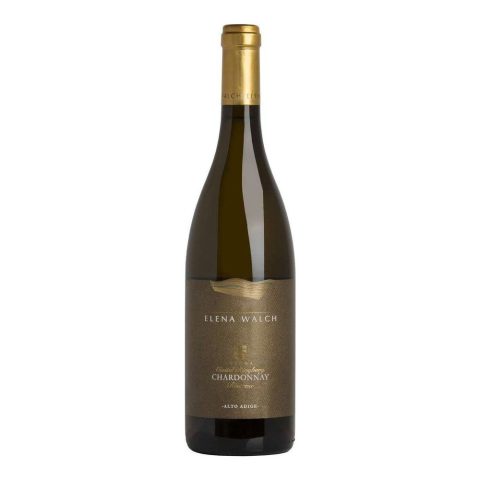
A selection of the wines from Trentino-Alto Adige we sell in our Venice wine shop and ship internationally.


Trentino-Alto Adige/Sudtirol – The breakdown
Location: northeastern border
Climate: cool, Alpine, continental
Soils: red igneous porphyry, quartz, mica, calcareous (Alto Adige); dolimitic, calcareous, alluvial, gravelly (Trentino).
Elevation: from very high down to sea level
DOCs: Merano, Val Venosta, Bolzano, Bassa Atesina, Valle Isarco, Alto Adige Oltradige, Santa Maddalena (Alto Adige); Caldaro e Valdadige, Casteller, Teroldego Rotoliano, Trentino, Trentino Superiore, Trento, Valdadige Terra dei Forti.
Main red grapes: cabernet franc, cabernet sauvignon, malvasia nera, marzemino, merlot, pinot nero, raboso, refosco, teroldego.
Main white grapes: chardonnay, friulano, gewurztraminer, pinot bianco, pinot grigio, riesling, riesling italico, verduzzo.
Hidden gem: Trentino vino santo! A real dessert doozy.
About Wine Shop all’Amarone


Wine Shop all’Amarone in Venice offers an exceptional selection of Italian wines, spotlighting the distinguished Amarone della Valpolicella. In addition to our Amarone focus, we proudly feature select wines from Trenti Alto Adige, showcasing the diversity and richness of Italy’s winemaking regions. Our curated collection is designed to offer wine lovers a taste of Italy’s finest, from the robust flavors of Amarone to the unique profiles of Trentino Alto Adige wines.

